






Key Takeaways About Split Tree Repair
Split trunk failures occur when internal decay or storm forces overpower a tree’s structure. This summary is for homeowners and property managers who need quick action after storm damage.
- Identify fresh cracks exposed wood and new sap flow immediately.
- Prevent additional damage by creating a safe perimeter around the tree.
- Avoid using a chainsaw on unstable trunks without professional training.
- Spot leaning trunks and asymmetric crown movement after storms.
- Reduce risk with temporary stabilization such as straps or cabling.
- Plan a professional inspection using a mallet probe and moisture meter.
Introduction
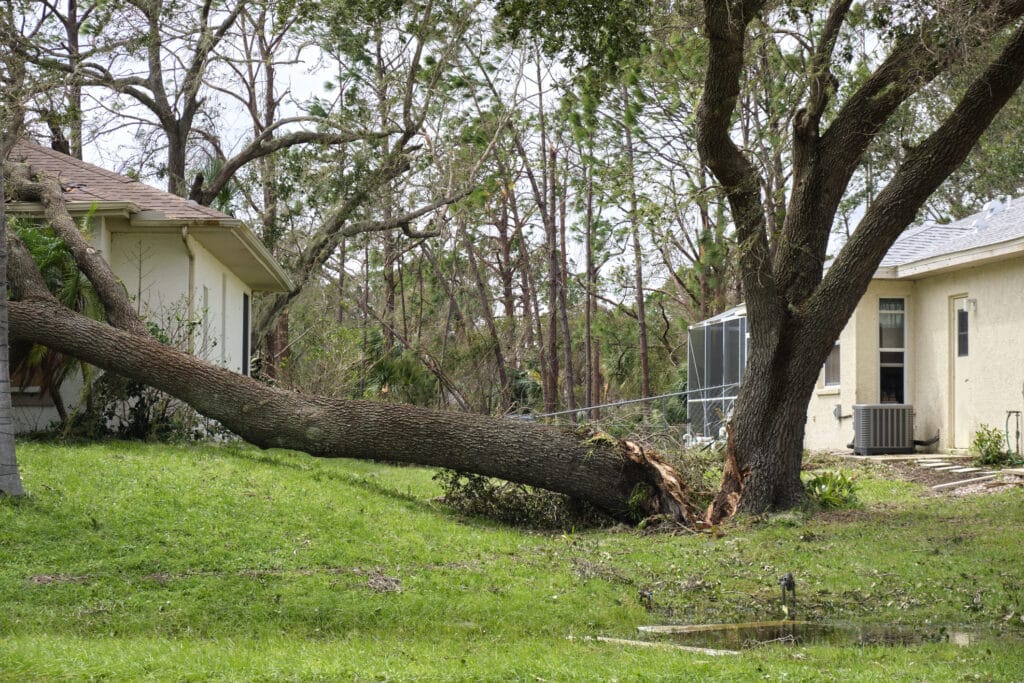
When a mature tree trunk splits during a Virginia storm, the consequences can be immediate and dangerous. A split trunk weakens the tree’s structure and increases the chance of large limbs or the whole tree falling. Homeowners can face broken fences, damaged roofs, and blocked driveways after a trunk failure. In Midlothian, VA properties, a single split can threaten nearby power lines and parked cars.
Trunk splitting often starts from a hidden problem within the tree that becomes critical under stress. Internal decay, heavy winds, or saturated soil can all push a weakened trunk past its breaking point. You might notice sudden cracking noises, fresh wood exposed, or a wide opening forming along the trunk. Seeing these signs matters because the damage rarely improves on its own once the trunk separates.
Fast action can reduce harm to people and property by stabilizing or removing the hazard before it worsens. A prompt professional assessment identifies whether the tree can be saved or must be removed to protect the home. Delaying an inspection increases the chance that the tree will fail during the next strong wind or rain event. For properties in Powhatan, VA, waiting can mean more expensive repairs and greater safety risk.
Understanding why trunks split helps you prioritize response and avoid guesswork when danger appears. Visible symptoms like open cracks, leaning trunks, or bark falling away point to serious structural change. A trained inspector uses visual checks and simple tools to confirm the extent of internal decay and load risk. Acting quickly after those findings prevents avoidable damage and reduces risk to family and property.
How Storm Forces Cause Trunk Splitting
How storm forces push a trunk until it splits means wind, weight, and soil movement overwhelm the wood fibers. Gusting wind applies repeated lateral load that opens existing cracks or weak seams in the trunk. Driving rain and saturated soil reduce root anchorage and allow tipping forces to rise. When homeowners ask whether a single storm can split a trunk, the answer is yes under the right combination of defects and forces.
- Wind shear forces cause opposite-side bending stress.
- Vertical loads increase at crown due to ice or rain weight.
- Saturated soil reduces root support and anchorage.
- Internal decay lowers the wood’s resistance to cracking.
Wind creates both uplift and twisting that concentrate stress along weak points in a trunk. A trunk with a narrow crotch or a long cavity sees tension on one side and compression on the other. Sound like a creaking or popping noise often means stress is moving through the wood fibers. Homeowners should know those sounds can precede a visible split.
Heavy rainfall and rapid soil saturation change how roots hold a tree under load during storms. As soil softens, the tree can tilt microscopically and shift load to one side of the trunk. That shift can open internal cracks that were previously held closed by balanced stresses. For properties in Powhatan, VA, this sequence of soil and wind effects can make existing defects critical.
Impact from falling limbs or nearby trees transfers sudden, concentrated force that can start a split at a flaw. Repeated smaller impacts also create fatigue that weakens the trunk over time before a storm reveals the damage. Professionals diagnose these causes by inspecting crack patterns, probing with an increment borer or sounding with a mallet, and documenting decay with photos. For a closer look at professional options and next steps, homeowners can visit Route 288 Tree Service for service information.
Why It Happens In Virginia Weather Patterns
Virginia’s mix of seasonal storms and variable temperatures creates conditions that stress tree trunks over time. Rapid temperature swings in late winter can cause frozen sap and wood to expand and contract, opening small cracks that grow under later loads. Repeated freeze-thaw cycles weaken fiber connections inside the trunk without obvious external signs. Homeowners in Midlothian, VA may notice small split beginnings after a cold snap followed by rain or wind.
Summer thunderstorms add a different stress pattern through sudden high winds and heavy rainfall that saturates the soil quickly. When roots lose firm grip in soft ground, trunks experience more bending and twisting than normal. That shifting load exploits weaknesses created by previous winter damage or decay. Properties in Powhatan, VA with compacted lawns or altered root zones face higher risk when storms hit suddenly.
Extended wet periods also promote fungal decay that softens internal wood and hides behind intact bark for months or years. Once decay reaches key structural areas, even moderate wind can open a split along the weakened grain. Inspectors often look for fungal fruiting bodies, soft crumbly wood, and abnormal moisture using a moisture meter during diagnosis. Those findings change priority for split tree repair because decayed trunks rarely regain original strength without intervention.
Diagnosing the cause under local weather patterns requires combining visible clues with simple tests to confirm internal damage. A professional will sound the trunk with a mallet, probe suspect areas, and take photos for a written report to record defects. They may recommend stabilizing cabling or removal depending on how decay, wind exposure, and root support combined. For nearby service information and detailed area coverage, see service areas.
Common Tree Defects That Promote Splits
Cavities and extensive decay concentrate stress and make a trunk more likely to split along weakened grain when storms arrive. Decay often shows as soft, crumbly wood or an entry wound where fungi colonize the heartwood. A professional inspects by sounding the trunk with a mallet and probing with a screwdriver to map decay zones. Those findings affect urgency and influence whether split tree repair can stabilize the trunk or requires removal.
Included text
Included text
Included text
Warning Signs Homeowners Should Monitor
Look for sudden changes that indicate an active split is growing, such as fresh wood exposed or a widening seam along the trunk. Small pieces of bark falling away near the crack can show that the split is progressing toward the cambium. Listen for new cracking or popping sounds during wind; these sounds often mean internal fibers are failing and the split may extend. Take photos from multiple angles to document change over time for later assessment.
- Fresh sawdust at the base indicates recent internal wood breakage.
- Visible separation between bark sections shows loss of structural continuity.
- A leaning trunk near the split signals shifting center of gravity.
- Fungal fruiting bodies on or near the crack point to decay presence.
Check nearby limb movement compared to the rest of the crown to spot asymmetric loading that worsens splits. A branch that moves more in wind can pull on a crack and widen it over months. Inspect the root flare for soil heaving or exposed roots that reduce anchorage and increase trunk stress. If you see root displacement, consider the split a higher immediate risk to structures.
Monitor seasonal changes by comparing photos after storms and during dry spells to track progression of the split. Note any new water staining or sap seepage along the crack as signs of internal decay or moisture intrusion. For homeowners in Midlothian, VA, recording these cues helps prioritize a professional visit before the next storm. When unsure, contact a trained arborist to perform a focused inspection and recommend split tree repair based on findings.
Emergency Split Tree Repair Steps For Safety
Start by creating a safe perimeter and keep people and pets well away from the tree until a professional arrives. Photograph the split from several angles to document current condition and any nearby property at risk. Avoid touching or attempting to climb the tree, since unstable wood and hidden cavities can collapse without warning. In Midlothian, VA homeowners should note nearby utilities and parked vehicles when establishing a safe zone.
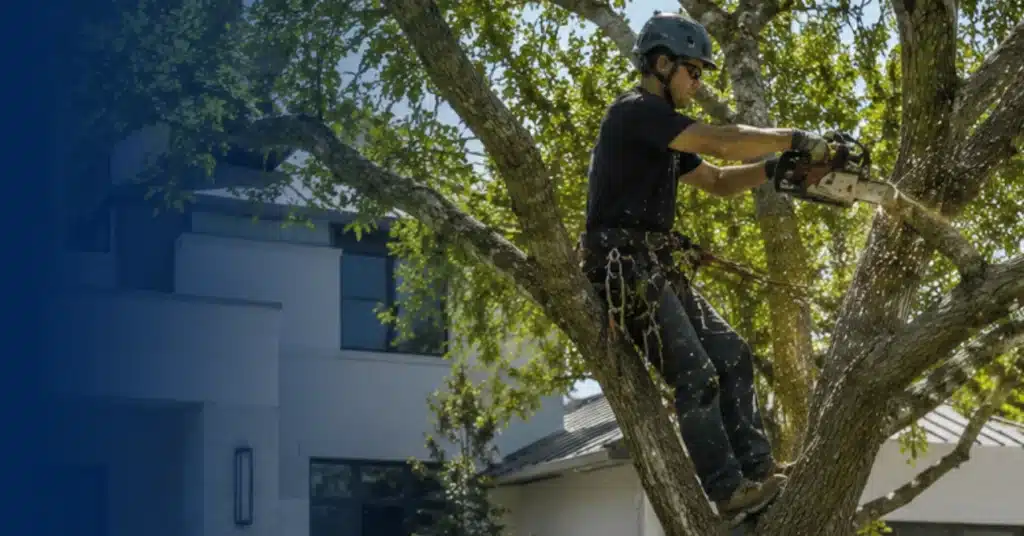
Next, remove small debris that does not require tools, like loose bark and fallen twigs, to keep walkways clear and reduce trip hazards. Do not use a chainsaw on the main split unless you have training and proper protective gear, because cutting can shift loads and cause sudden failure. If water is pooling near the trunk, divert surface runoff gently to reduce additional saturation of roots and soil. For immediate guidance and emergency options, consider contacting an arborist through Route 288 Tree Service.
A professional arrival begins with a visual assessment from a safe distance, noting crack length, sap flow, and crown asymmetry so teams can prioritize actions. The arborist will sound the trunk with a mallet, probe suspect zones, and use a moisture meter to check internal wetness that may indicate decay. They may rig temporary support such as straps or a cable to stabilize the split and reduce movement while working. These measures aim to lower the chance of further breakage during repair or removal operations.
When the decision favors repair rather than removal, crews often remove unstable limbs and install structural supports like bolts or through-rods to re-establish load transfer across the split. Pros take photos and produce a written report showing condition and recommended follow-up so homeowners can document risk for insurers. If removal becomes necessary, crews secure surrounding areas and work in sections to control falling wood and reduce property damage. In Powhatan, VA properties, clear communication about access and vehicle protection can prevent additional loss during emergency work.
After emergency work, monitor the tree weekly for new movement, fresh cracking, or increased sap flow that signals failing repairs or advancing decay. Keep records of inspection notes, photos, and the arborist’s report to support later decisions about long-term health or removal. If you detect renewed instability, avoid re-entering the area and call a professional immediately to reassess. These follow-up steps help reduce the chance of repeated property damage from a compromised trunk.
When To Call A Professional Split Tree Repair
Call a professional when the split shows active movement, such as new cracking sounds or widening during wind. Immediate assessment is needed if the trunk leans toward structures or power lines and visible gaps grow over days. A certified arborist will determine if temporary stabilization can prevent collapse or if removal is safer for the property. Waiting increases the chance of sudden failure and makes repairs more complex and hazardous.
If the split exposes soft, discolored wood or heavy sap flow, arrange a professional inspection quickly to check for deep decay. The arborist will use a mallet and moisture meter to map internal damage and may probe with a screwdriver to test wood resistance. They will document findings with photos and a written assessment to guide decision-making. This documentation helps homeowners manage risk and communicate with insurers about next steps.
Call for service immediately when the tree threatens access points like driveways, roofs, or entrances to reduce liability and avoid blocked egress during storms. Professionals can rig temporary cables or remove high-risk limbs to restore safer clearance while planning a final outcome. If the split compromises root stability, crews assess anchorage and may recommend removing the tree to prevent sudden tipping. For information about local coverage and scheduling, check the company’s service areas.
Consider urgent professional help after a storm if damage appears near parked vehicles or outdoor equipment in Midlothian, VA and you cannot safely move them. In Powhatan, VA properties, homeowners should prioritize assessments when repeated storms occur and the trunk shows progressive separation. A timely professional can propose split tree repair, removal, or monitoring based on safety and cost factors. If you suspect danger, avoid proximity and call a qualified arborist without delay.
Preventive Maintenance To Reduce Future Splits
Regular pruning to remove competing leaders and heavy lateral limbs reduces uneven crown weight that can stress trunks during storms. Schedule pruning during dormancy to limit sap loss and reduce insect attraction after cuts. A certified arborist will balance the crown while preserving tree health and structural form. Homeowners in Midlothian, VA should plan these interventions before the wet season increases failure risk.
- Inspect structural forks annually.
- Prune to remove rubbing branches.
- Install cables only when recommended.
- Keep mulch away from the trunk base.
- Monitor irrigation and soil moisture.
Root protection helps maintain anchorage and reduces tipping forces that can split trunks under load. Avoid trenching or heavy equipment near the root zone to prevent hidden root damage. Applying a 2–4 inch mulch ring can moderate soil moisture and protect feeder roots from summer heat. For properties in Powhatan, VA, preserving root zones prevents added stress during storm events.
Periodic inspections help catch developing internal decay before it causes a full split, guiding timely split tree repair when appropriate. An inspector will sound the trunk, probe suspect wood, and use a moisture meter to assess internal condition. They produce a written recommendation that prioritizes stabilization actions or removal based on measured risk. Keep inspection records and photos to track changes between visits and support insurance discussions.
Insurance And Property Protection After Splits
After a trunk split, document the damage thoroughly with dated photos and notes to support insurance claims and decision-making. Policy language varies, so homeowners should contact their insurer promptly to report the loss and request guidance on covered actions. Keep copies of any professional written report and inspection readings such as moisture meter output or probe notes for submission. This documentation speeds claim processing and clarifies whether split tree repair or removal qualifies under the policy.
Secure temporary measures that reduce further property damage while waiting for an adjuster to visit, such as covering exposed roof areas with tarps or moving vehicles out of the hazard zone. Professionals can provide written estimates for stabilization or removal to present to the insurer when requested. If contractors perform emergency work before approval, retain receipts and time-stamped photos showing the immediate danger and necessary steps taken. These items help justify emergency payments and clarify scope during the claim review.
Insurers often ask if the tree showed prior symptoms or had maintenance records, so collect any pruning logs, inspection reports, and past repair invoices to demonstrate upkeep. A clear maintenance history can affect whether a policy treats the event as sudden damage versus a long-term neglect claim. Homeowners in Midlothian, VA and Powhatan, VA should gather these records quickly to reduce delays in authorization for split tree repair or removal. Providing a timeline of observed changes helps adjusters evaluate causation consistently.
If you disagree with an adjuster’s decision or scope of work, request a secondary inspection and include the arborist’s written findings and photos as supporting evidence. Consider asking for a neutral third-party evaluation from a certified arborist to clarify technical points such as decay extent, probe readings, or structural assessment. Keep all correspondence in writing and maintain copies of estimates, payments, and inspection outputs to streamline any appeals. When in doubt about safety or coverage, contact a professional to confirm immediate stabilization needs before the next storm.
Frequently Asked Questions
What causes a mature trunk to split during a storm?
A mature trunk can split in high winds when internal decay, root damage, or large included bark weaken the wood and fail under load. Rapid moisture changes and heavy, wind-driven rain add weight that stresses weakened wood along existing cracks. Visible symptoms include wide vertical seams, loose bark, and creaking noises; avoid the area and treat as hazardous. For safety and proper split tree repair, contact a professional arborist to assess and secure the tree before anyone approaches.
How can split tree repair save nearby structures?
Timely split tree repair stabilizes a compromised trunk and reduces the chance of large sections falling onto roofs, vehicles, or yards. A professional inspection identifies interior decay, hinge failures, and load-bearing cracks that increase collapse risk. Temporary bracing or controlled removals direct hazards away from nearby structures and protect people on the property. If the split is large or near buildings, stop work and hire a certified arborist or tree service for safe removal or repair.
What signs show a split is actively worsening?
Fresh, dark wood and widening gaps along the trunk show a split that is active and moving. New sap flow, wet streaks, or increased oozing indicate recent internal damage and pressure changes. Audible creaks, new bark falling, or sudden limb shifts mean the tree may fail soon; exercise caution and keep clear. For safety and accurate assessment, contact a professional for split tree repair and emergency removal options.
How do professionals diagnose internal trunk decay?
Arborists start with a visual exam, noting cracked bark, fungal fruiting bodies, cavities, and sudden canopy dieback. They use a sounding mallet and probe to detect hollow zones and brittle wood without causing major damage. When needed, they perform an increment bore to collect core samples and measure decay depth while recording findings for split tree repair planning. If a tree shows heavy internal decay, avoid staying nearby and call a professional for safe assessment and removal options.
When is removal safer than split tree repair?
Removal is safer when the split compromises more than half the trunk diameter or the main stem separates down to old wood. If the split allows large limbs to hang over structures or power lines, removal reduces collapse risk. A certified arborist should inspect unstable splits and use equipment and rigging to protect people and property. If danger exists, do not attempt DIY work; contact a professional for assessment and split tree repair or removal options.