






Key Takeaways About Dangerous Tree Signs
This article summarizes common warning signals that a tree may fail during summer storms. It is for homeowners and property managers who need to act before hurricane season or heavy weather events.
- Identify leaning trunks root lift and sudden angle changes
- Prevent root decay by watching for mushrooms and soil loss
- Avoid trunk failure when you see deep cracks and cavities
- Spot canopy decline marked by sudden thinning or dieback
- Reduce risk by documenting signs and scheduling inspections promptly
- Plan removals or supports based on a professional written assessment
Introduction
Hurricane season raises real risks for trees near homes, and spotting dangerous tree signs early matters for safety. Leaning trunks, large dead limbs, or cracking sounds can signal a problem that could threaten people and property. Wind and saturated soil increase the odds a compromised tree will fall during a storm. Homeowners who ignore these cues can face sudden damage and costly emergency work.
Roots that lift sidewalks or expose soil often point to instability at the base of a tree and deserve attention. Cavities, fungal fruiting bodies, and extensive bark loss reduce a tree’s strength and make failure more likely. Trees close to power lines, roofs, or driveways raise the potential for serious consequences if they fall. Recognizing visible decline gives you time to arrange a professional inspection before weather turns severe.
Signs such as epicormic shoots or sudden canopy thinning show a tree under stress and possible structural decline. Cracks through the trunk or major limbs often appear before complete failure and should not be ignored. For properties in Henrico, VA these symptoms can become urgent when heavy rains and winds are forecast. Noticing small changes now can prevent emergency removals during a storm.
Professional diagnosis matters because symptoms can mimic recoverable issues or hidden decay that needs removal. An expert will check roots, trunk stability, limb attachments, and look for internal rot with a careful inspection. In Manakin Sabot, VA a timely assessment reduces the chance of unexpected collapse and helps prioritize work. If you see multiple warning signs, contact a qualified arborist to evaluate the risk and next steps.
Understanding How Root Decay Causes Collapse
Root decay refers to fungal or mechanical damage that breaks down a tree’s supporting roots and reduces anchoring strength. Homeowners often ask how to tell if roots are the problem, and visible soil loss or sudden leaning are common answers. Decay usually begins where roots meet the trunk or where roots were injured by grading, trenches, or lawn equipment. Early decay can be subtle, so regular checks near the trunk base help catch problems before failure.
- Look for mushrooms or conks at the trunk base.
- Watch for soil heaving or exposed roots after rain.
- Note sudden trunk lean or shifting root plates.
- Check for cavities or soft wood at the root flare.
Fungi that decompose root wood remove the fibers that hold a tree upright, which directly increases collapse risk during storms. A homeowner may smell damp, musty odors near the trunk, which can point to active decay. In Henrico, VA properties with compacted soil may mask root decline until visible signs appear. If you see mushrooms or repeated root exposure, ask a professional to inspect the base and recommend actions.
Professionals diagnose root decay by observing symptoms, probing suspect wood, and checking root plate stability with a hands-on exam. They may use a mallet to sound for hollow areas, a resistance probe to test wood firmness, and photos to document findings for a written report. In Manakin Sabot, VA a thorough inspection helps prioritize trees near homes and utilities. If inspectors confirm extensive decay, they will advise removal or targeted mitigation to reduce fall risk.
Identifying Dangerous Tree Signs From Trunk Damage
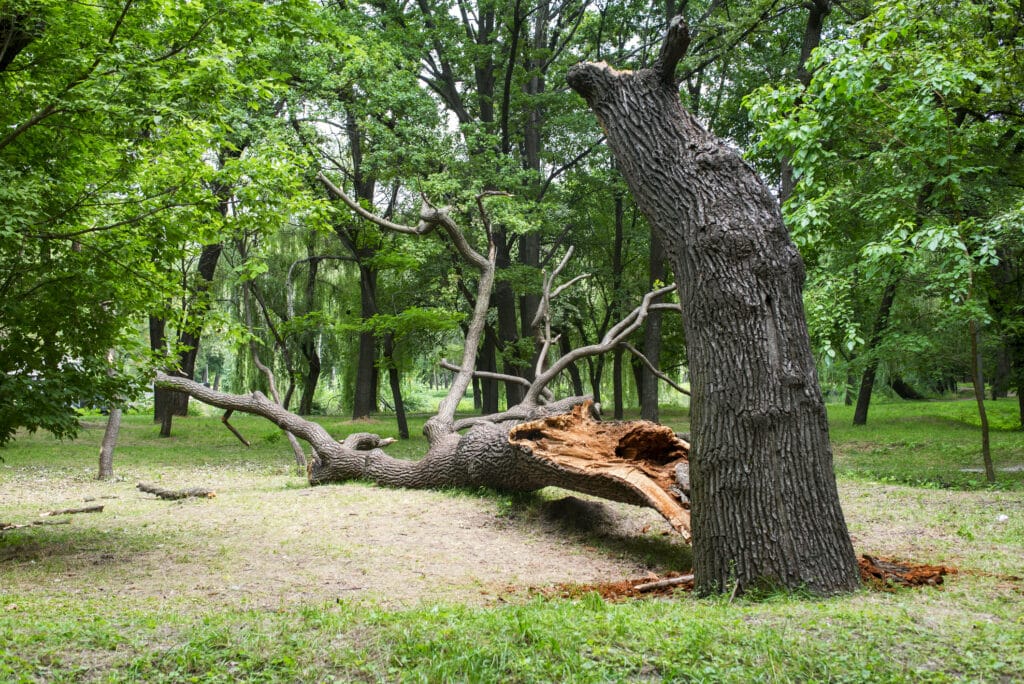
Deep splits, vertical cracks, or missing bark strips often indicate internal trunk decay that weakens load-bearing wood. Look for cavities you can peer into where light enters or where rain accumulates and stains bark. Bark that peels away in long strips or that shows dark, wet areas often signals decay progressing beneath the surface. Homeowners in Henrico, VA should note these visual cues before storms increase loading on compromised trunks.
Fungal fruiting bodies higher on the trunk or inside wounds point to internal rot that may not show externally at first. A soft, spongy feel when you press dead bark can mean the cambium and wood beneath began to fail. Be aware of frequent woodpecker activity or large areas of wood debris at the base, which can mean prey in decayed timber. When you spot these signs, document photos and timing to show a professional during an inspection.
Professionals confirm trunk problems by sounding and probing the wood, and by examining attachment points and wound history. They check for hollow sections with a mallet or pick, test wood firmness with a resistance probe, and record findings in a written report. Inspectors also examine trunk flare, included bark at crotches, and the presence of decay pockets that reduce strength. In Manakin Sabot, VA a proper diagnostic check helps prioritize urgent removals near structures and utilities.
Crack patterns and sudden trunk shifts during wind gusts give clear warning that a tree may fail imminently. Watch for new or widening cracks that run toward the root flare or major limb unions, and note any recent lightning strikes or large limb losses. If you observe multiple trunk failure indicators, call a tree professional to assess risk and discuss removal or bracing options. Learn more about local coverage and related topics on the service areas page and in the blog.
Recognizing Dangerous Tree Signs In Canopy Stress
Leaves that yellow or brown suddenly across several branches often show canopy stress from pests or vascular problems. Look for sections of the crown that thin quickly while other areas remain full and green. Dead leaves that cling through spring into summer can signal loss of living tissue and reduced wind tolerance. Homeowners in Henrico, VA should note timing and pattern of decline to share with an inspector.
Epicormic shoots or sprouts along the lower trunk sometimes mean the tree redirected resources after root or crown damage. A heavy flush of suckers paired with small, weak leaves suggests the canopy cannot support normal growth. Inspectors check branch attachment points and recent wound history to determine if the tree can recover. In Manakin Sabot, VA, clusters of thin, brittle branches often precede larger limb failures during storms.
Crown dieback that progresses from the top downward often indicates internal decline or vascular disease limiting water movement. Professionals will trace the dieback pattern and test branch wood firmness with a resistance probe or simple hand pressure. They also look for bark discoloration, resin flow, or insect galleries that explain the decline. Photographs of the canopy taken over weeks help document progression for diagnosis.
Excessive branch movement or persistent creaking in strong winds reveals reduced structural capacity in the canopy and attachments. A climber or arborist will perform a hands-on inspection of major unions, looking for included bark or weak angles. They may use recorded footage or close-up photos to confirm failing crotches and recommend pruning or removal. If you see multiple canopy signs together, contact a professional for a written assessment and next steps; see related guidance on the blog.
Spotting Soil And Leaning Indicators Of Failure
Soft or spongy soil around a tree’s base after heavy rains can signal root loss and reduced anchorage. Look for a shallow depression or a raised root plate that moves when you step nearby. Small cracks radiating from the trunk base often mean the root system shifted under load. Homeowners in Henrico, VA should note changes after storms and photograph the soil line for an inspector.
- Soil heave next to the trunk after rain
- Visible root plate or lifted root mat
- Standing water pooling near the root collar
- New cracks in the surrounding soil
A tree leaning more than a few degrees compared with last year deserves prompt attention from a professional. Measure lean by sighting against a straight edge or photographing from the same spot over time. A shifting root plate that reveals the roots’ underside usually indicates imminent failure. In Manakin Sabot, VA even small leans near structures should prompt an inspection.
Professionals diagnose soil and leaning problems by checking root plate rotation and probing soil firmness around roots. They may use a soil probe to find voids, and a mallet to sound shallow roots for decay. Inspectors will document movement with photos and may perform a pull test carefully to assess anchorage. If tests show loss of support, the recommended next steps include bracing, targeted root work, or removal.
Knowing Why Storms Exacerbate Weak Trees
Storms increase the forces on already weakened trees by combining high winds with rapid changes in soil moisture, raising the chance of sudden failure. Wind applies cyclic loading that opens cracks and loosens attachments over time, so small defects become critical under gusts. Heavy rainfall quickly reduces soil shear strength and can let root plates slide where anchorage is marginal. Homeowners should note that visible movement during storms signals escalating risk requiring professional review.
Rain-driven erosion can also expose hidden root decay, making symptoms progress quickly after a single storm event rather than slowly over months. Saturated soils transmit more force to trunk and limb unions, stressing included bark and weak crotches until they split. Lightning and wind can create fresh wounds that invite wood-rotting fungi, accelerating internal decline after storms. If you see new wounds or sudden limb drops following bad weather, document them for an inspector.
Professionals diagnose storm-exacerbated weaknesses by combining visual checks with hands-on tests and simple measurements to confirm instability. They examine recent wound patterns, probe suspect wood with a resistance tool, and inspect root flare movement while the soil is moist. Climbers or inspectors may take close-up photographs and record footage of cracks or flexible unions for a written assessment. These steps help separate urgent failures from conditions that can be managed with pruning or cabling.
During inspections, decision points guide homeowners on whether to wait, mitigate, or remove a tree before the next storm arrives. If major limbs show active splitting or the root plate rotates easily, removal is often the safest recommendation. In lower-risk cases, targeted pruning and structural support can restore reasonable storm tolerance for the canopy. Homeowners in Henrico, VA and Manakin Sabot, VA should keep a dated photo record and share it with an arborist when arranging an inspection via the blog.
When To Call A Professional Tree Service
If you notice multiple dangerous tree signs together, schedule a professional inspection rather than attempting DIY fixes. A qualified arborist will perform a hands-on assessment of trunk attachments, root flare movement, and visible decay. They often document findings with photos and a written report that explains risk levels and recommended next steps. For urgent situations, ask how quickly the inspector can respond during heightened storm forecasts.
During the visit, the pro will use simple diagnostic checks to confirm instability instead of guessing from surface symptoms. They may probe suspect wood with a resistance tool, sound the trunk with a mallet, and test root plate rotation by applying measured pressure. Inspectors also note canopy loading and nearby targets such as structures or utility lines to assess consequence if failure occurs. These observations form the basis of a clear recommendation to mitigate or remove the hazard.
Homeowners should call for help when signs include active splitting, large fungal conks, or a root plate that shifts under light pressure. If major limbs hang over a roof or driveway and show recent cracks, the probability of damage during the next storm increases. In Manakin Sabot, VA properties where trees sit close to homes, prompt professional action can avoid emergency removals. Ask the inspector about short-term stabilizing options while planning full mitigation.
Request a written estimate and a prioritized action plan so you can make informed timing decisions before hurricane season peaks. A professional will explain removal, pruning, bracing, or monitoring choices and the reasons for each recommendation. Keep dated photos and the report handy to reassess after heavy storms or new damage occurs. For more guidance on preparing trees before severe weather, review the company blog for related articles and planning tips.
Pruning And Removal Options For Unsafe Trees
When a tree shows clear failure indicators, homeowners face two main paths: targeted pruning or full removal depending on risk and structure. A professional will match the approach to observed defects, such as compromised unions or large decay pockets that reduce load capacity. Expect a step-by-step plan from the arborist describing sequence, access needs, and safety measures to protect nearby structures. In many cases, timing work before sustained winds arrive reduces hazard and simplifies logistics for crews and homeowners.
- Selective crown reduction to remove hazardous limbs
- Cabling and bracing to support weak unions
- Sectional removal when full removal risks damage
- Stump grinding to remove trip and regrowth hazards
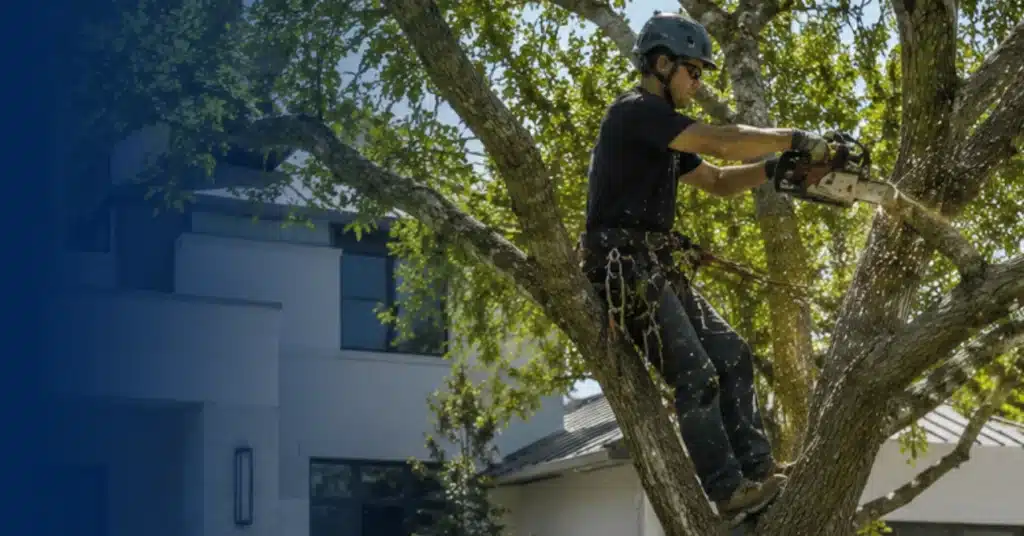
Selective pruning removes failed or high-risk wood while preserving overall health when feasible and safe for the property. A crew will plan cuts to shift weight away from targets and lower limbs in controlled sections during the work. Arborists often use rope access and sectional lowering to avoid damage to roofs, fences, and landscaping near the tree. Homeowners should ask for a scope that lists which limbs are removed and the expected remaining canopy profile.
Full removal becomes necessary when trunk decay, root failure, or repeated major defects leave a tree structurally unsound and likely to fail. During removal, crews stage equipment and drop zones to protect structures and utility lines identified in the estimate. Professionals will document the process with photos and a written note of hazards for your records and future planning. If the tree sits near buildings in Henrico, VA, discuss contingency plans for unexpected movement during removal.
After removal or heavy pruning, stump and root considerations affect regrowth, grading, and future planting choices on the site. Ask whether grinding, whole-stump removal, or partial removal best fits your landscape goals and utility locations. In properties like those in Manakin Sabot, VA, contractors may recommend soil backfill and regrading where the root plate disturbed the surface. Before scheduling work, review the written estimate, ask about cleanup limits, and check the arborist’s described diagnostic steps they used to confirm the recommendation at the site.
Preventive Maintenance To Reduce Fall Risk
Schedule routine inspections at least once a year to spot developing defects before storms increase loads on weak trees. During an inspection a professional will check attachment points, root flare health, and canopy balance with hands-on tests. These visits create a timeline of observable change so you can see decline rates and prioritize work logically. Homeowners in Henrico, VA often find yearly checks simplify timing for pruning and removal projects.
Keep a simple maintenance program that includes debris removal, minor corrective pruning, and targeted deadwood clearing to lower storm catch. Clearing hanging or loose branches reduces sudden failures and limits collateral damage to structures and vehicles. A professional crew will document cuts and provide a written note listing future maintenance intervals and risk observations. For many properties, a seasonal approach reduces emergency calls during heightened wind events.
Address soil and irrigation practices to protect root health and anchorage rather than merely trimming canopy mass for wind resistance. Avoid soil compaction near the root zone, and minimize deep excavations or grade changes that harm root flare stability. An arborist may recommend mulch rings, targeted aeration, or root collar excavation to improve oxygen and moisture balance. In Manakin Sabot, VA choosing the right groundwork often keeps marginal trees safer through wet seasons.
Use monitoring and simple supports when a full removal is not immediate, but only after a professional confirms the approach is safe and temporary. Options like short-term cabling or strategic limb reduction lower immediate risk while you plan permanent work, and a written plan clarifies limits and timelines. Professionals use recorded photos, probe readings, and documented movement tests to decide if supports will work. If a tree shows worsening signs despite maintenance, prioritize removal before the next storm window.
Frequently Asked Questions
What visible dangerous tree signs mean a tree may fall?
Look for large vertical cracks in the trunk, splitting bark, or a half-moon separation where the trunk meets large roots. Leaning trees that recently changed angle or show root lift at the base often precede collapse. Dead branches, sparse foliage, and fungal conks on roots or trunk are common dangerous tree signs that weaken structure. If you see these cues, keep clear of the tree and contact a professional arborist or tree service for inspection and removal.
How can root issues show imminent collapse risk?
Roots that pull away from soil, exposed roots, or a visible root plate lifting signal loss of anchorage and higher collapse risk. Dieback, fungal conks at the root flare, and soft, waterlogged soil reduce a tree’s stability and indicate dangerous tree signs. A leaning trunk that worsens after storms or concentrated soil erosion near the base shows increasing failure probability. Exercise caution near any suspect tree and contact a professional arborist or tree service to inspect and recommend safe action.
When should trunk cracks or cavities prompt removal?
Remove a tree when trunk cracks or large cavities expose decay that affects more than a third of the trunk’s diameter. Visible root plate uplift, new vertical splits, or widening cavities after storms indicate imminent failure and need removal. These dangerous tree signs create a safety risk near homes, driveways, or utility lines, so avoid standing underneath and keep people away. Always have a qualified arborist inspect concerning cracks and cavities and recommend removal if structural integrity is compromised.
What canopy symptoms indicate weakening before storms?
Look for sparse or thinning foliage on one side of the canopy that leaves large gaps during summer growth. Sudden dieback of branch tips or large sections losing leaves suggests internal decline and root problems. Heavy leaning crowns, shifting branch angles, or visible trunk cracks increase risk and count as dangerous tree signs. If you see these symptoms, avoid standing under the tree and call a certified arborist or tree service for a prompt inspection.
How will a pro confirm instability during an inspection?
A pro will start with a visual survey noting dangerous tree signs like large cracks, leaning trunks, and crown dieback. They will probe roots and the base for soft soil, exposed roots, or root collar decay using hand tools and a soundness mallet. Climbers or a lift may get close-up checks of cavities, fungal conks, and internal decay with a basic climbing inspection and recorded photos. If collapse risk appears high, exercise caution and hire a certified arborist or tree service to confirm instability and recommend safe removal.