






Key Takeaways About Dead Tree Branch Removal
Dead limbs become hazards when summer heat and storms weaken wood and attachments. This summary is for homeowners and property managers who need quick guidance before or after hot weather and storm events.
- Identify visible cracks splits and fungal fruiting bodies early.
- Prevent decay progression with timely pruning and root care.
- Avoid testing limbs from beneath or using ladders alone.
- Spot insect frass exit holes and fresh wood chips around bases.
- Reduce risk by documenting movement sound and soil changes.
- Plan professional inspections when limbs threaten structures or lines.
Introduction
Dead limbs may look harmless until summer heat and storms make them risky. Hot, dry conditions weaken wood and reduce moisture that once held branches together. Summer storms add sudden wind gusts and heavy rain that stress weak attachments. Homeowners often miss early signs until a branch fails over a roof or yard.
Sun and heat speed up decay inside a limb that appears solid from the outside. Cracks, hollow spots, and loose bark let insects and fungi speed structural decline. High winds during summer storms exploit those hidden weaknesses and increase the chance of falling limbs. That escalation matters for anyone with vehicles, play areas, or outdoor electrical lines nearby.
Visible clues like small splits, hanging twigs, or new fungal growth point to deeper problems. Professionals use visual inspection, probing, and measurements to confirm instability before recommending removal. For properties in Short Pump, VA and Rockville, VA, repeated summer storms raise the urgency of addressing dead limbs. Acting after a storm can cost more and put people at risk.
Dead tree branch removal reduces the risk of property damage and personal injury during hot weather and storms. Waiting lets decay progress and attachments fail more abruptly under stress. If you notice the warning signs, contact a professional for an inspection and a clear recommendation. Prompt attention makes summer outdoor living safer for everyone on the property.
How Summer Heat Accelerates Wood Decay
How summer heat accelerates wood decay means higher temperatures and lower internal moisture speed up breakdown of dead limbs.
- Heat dries wood fibers, reducing strength quickly.
- Sun-driven cracks let fungi enter more easily.
- High temperatures increase insect activity around dead wood.
- Repeated wet-dry cycles cause internal splitting.
Higher temperatures increase fungal growth rates, which homeowners ask about when they see mushrooms on branches.
Professionals diagnose advanced decay by probing with an awl or screwdriver and by sounding branches with a mallet.
For example, a homeowner in Short Pump, VA might notice brittle bark and soft spots, then a pro would probe and record photos.
Properties in Rockville, VA often face rapid deterioration after hot stretches, so timely dead tree branch removal reduces risk near structures and lines.
Common Causes Of Dead Limb Formation
Dead limbs form for several mechanical and biological reasons that differ from the decay processes already discussed. One common cause is previous storm damage that leaves partially broken branches which fail to heal. Another is poor branch unions where the bark is pinched between two limbs, creating weak wood that later dies and separates under stress. Homeowners often notice uneven leafing or a sharp change in branch angle before the wood shows other signs.
Soil and root problems also lead to limb dieback without obvious trunk decay nearby. Compacted soil or a damaged root flare reduces water and nutrient flow, causing distal branches to weaken and die first. Affected limbs may stay attached for months while becoming brittle and prone to sudden failure. Inspectors check root collars, look for root damage, and note uneven canopy dieback during evaluations.
Dead wood can also result from repeated pruning wounds or lawn equipment impacts that interrupt vascular flow. Small wounds may not kill a branch immediately but allow fungi and insects to enter over time. Professionals use a combination of visual checks, probing with an awl, and checking for internal hollows to confirm structural loss. For homeowners in Short Pump, VA this sequence often follows heavy spring landscaping or accidental trunk scarring.
Insects and specific fungal infections often exploit weakened limbs and speed structural decline once present. Signs include frass, exit holes, soft crumbly wood, or conks on larger branches, which indicate internal rot advancing. A professional diagnosis includes sounding branches with a mallet and documenting damage with photos and measurements. Properties in Rockville, VA may show similar patterns, and knowing the cause helps decide if dead tree branch removal is the safest next step.
How Pest Infestations Weaken Branches
Wood-boring insects and beetle larvae tunnel through dead limbs, creating internal voids that remove support under the bark. These tunnels often leave fine sawdust or frass near branch bases, which homeowners can spot on nearby surfaces. A professional inspects for exit holes, frass piles, and soft wood by probing with an awl and recording photos. If tunneling is extensive, the attachment point can fail suddenly under wind or weight.
Wood-decay fungi infiltrate through wounds and produce soft, stringy rot that changes how a limb bears load. Fruiting bodies or conks may appear on larger branches and trunks, signaling advanced internal decay visible during a detailed trunk and branch inspection. Technicians use a mallet to sound suspicious limbs and may take small cores or notes to document decay progression. Those findings help determine whether dead tree branch removal is safer than partial pruning.
Secondary pests such as carpenter ants and small mammals often exploit already weakened limbs, enlarging cavities and widening cracks over time. Evidence includes shallow galleries, scattered chips, and chew marks that a homeowner might hear or find after wind events. During diagnosis, a pro checks branch unions, the radius of decay, and any pest galleries to assess failure risk. For homeowners in Short Pump, VA these combined signs often prompt quicker action to protect structures and people.
Inspectors also evaluate how pest damage interacts with storm loads, noting loose bark and reduced cross-sectional strength at critical points. They estimate remaining sound wood and note whether decay reaches the collar or major crotches, which increases collapse probability. Written reports and photos provide a clear basis for recommending dead tree branch removal or targeted treatment. For guidance and related articles see the company blog for practical homeowner information.
Weather Stressors That Turn Limbs Hazardous
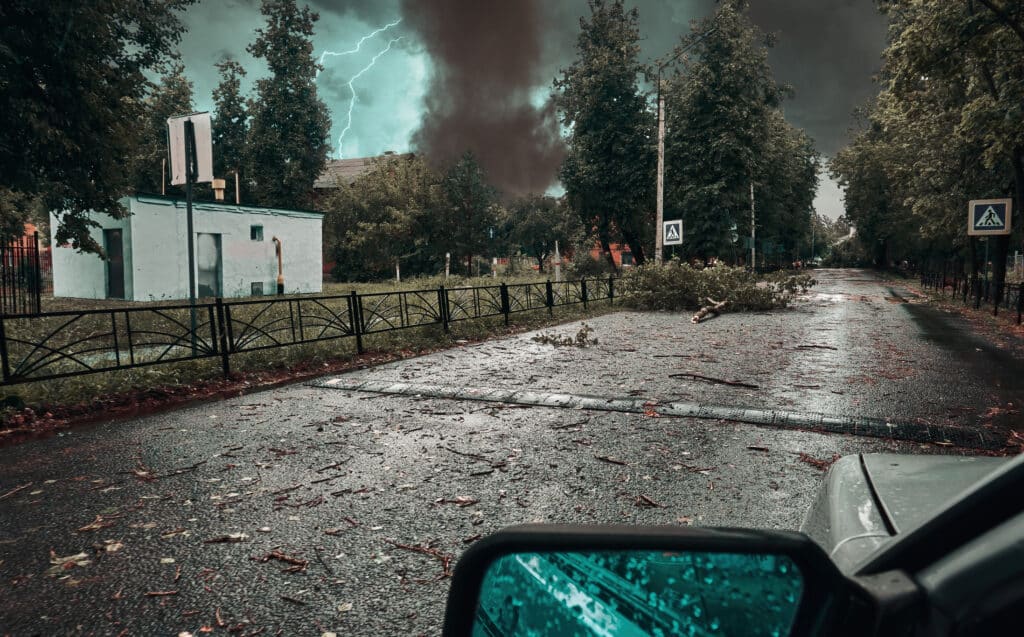
Summer storm fronts combine wind, rain, and thermal shifts that load dead limbs in different ways than winter weather does. Rapid temperature swings force wood to expand and contract, worsening hidden cracks and separations at branch unions. Heavy summer rains add weight to leafless dead wood and loosen soil around shallow roots, increasing the chance of uprooting during gusts. Homeowners often notice sudden leaning or fresh soil disturbance after a summer squall, which signals elevated collapse risk.
- Wind gusts apply bending force to weakened attachments.
- Saturated wood temporarily gains weight and slips at the collar.
- Thunderstorm downdrafts add vertical shock loads to branches.
- Hail and debris can knock loose brittle bark and splinters.
Professionals inspect for storm-related hazards by checking branch movement during controlled manipulation and by sounding suspect limbs with a mallet. They examine the root flare and any soil heaving to see if anchorage has failed or if decay has reached the collar. Photographs, probing with an awl, and documented mallet strikes help quantify risk before recommending dead tree branch removal. Those inspection outputs form the basis for a written recommendation and safe work plan.
Local weather patterns matter because repeated summer storms can fatigue the same weak connection over weeks or months. For example, a homeowner in Short Pump, VA might see a branch survive several gusts before failing during a heavy storm. Properties in Rockville, VA sometimes show root washout after prolonged heavy rain, which raises the urgency of removal. If you suspect a dangerous limb after a storm, contact a professional to avoid injury and further damage and review related safety guidance in the company blog on sauna air quality impacts.
Warning Signs Homeowners Should Watch For
Look for sudden changes in how a limb moves when you nudge it from the ground; increased wobble often means the attachment has lost stiffness. Check for fresh cracks radiating from the branch collar that were not present before a recent storm or heat wave. A professional would note these movement patterns and use a mallet or probe to confirm how much sound wood remains. If movement happens near power lines or a roof, prioritize assessment and avoid working directly under the limb.
Watch for recent accumulations of small wood chips or long thin strands of frass at the base of a branch, which indicate active wood-boring activity near critical support areas. New fungal fruiting bodies on lower surfaces or crevices signal internal decay that may not be obvious from above. During an inspection, a technician documents these signs with photos and may tap and probe to map decay extent. Homeowners in Short Pump, VA should note where chips or fungal growth appear after heat spells.
Notice any change in nearby soil condition such as new heaving, settled mulch, or exposed roots that coincide with limb stress; soil shifts can alter load distribution on a branch. Repeated minor lean changes over weeks suggest progressive loss of anchorage rather than a one-time event. A pro would record soil observations, measure lean angles, and test root firmness as part of a risk assessment. These findings influence whether dead tree branch removal is recommended immediately.
Listen for unusual sounds during windy conditions such as creaks, sharp snaps, or falling twigs that occur more often than before; sounds often precede visible failure. Look for bark separation or pockets where bark peels away but wood beneath stays dry and brittle to the touch. An inspector uses close visual checks and probing to confirm if those pockets connect to hollow cavities. If you see these symptoms near play areas or parked vehicles, schedule a professional inspection without delay.
When To Call A Dead Tree Branch Removal Professional
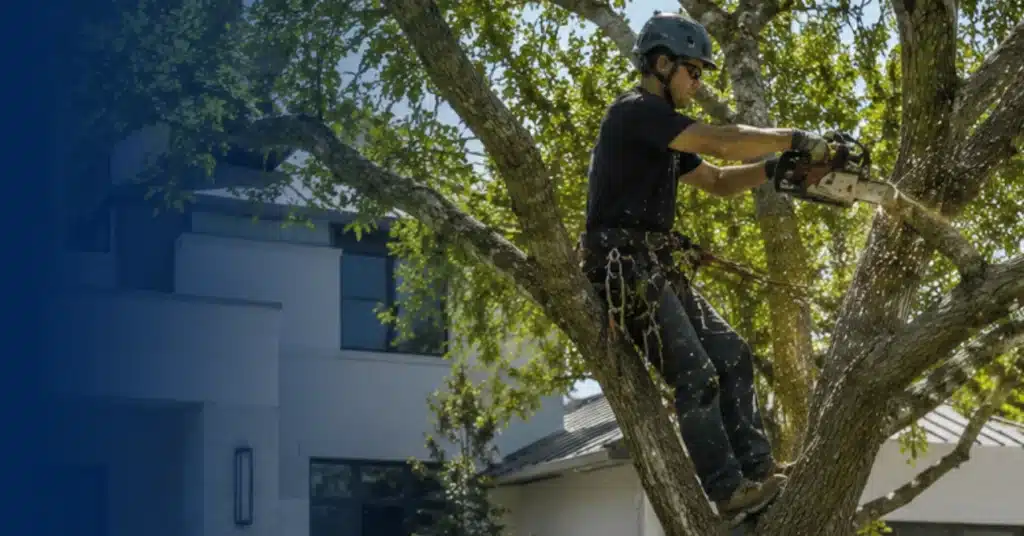
If a limb shows rapid change in movement, call a professional promptly to limit risk to people and structures. A trained crew can safely set exclusion zones and use ropes to control descent. They will avoid working under electrical lines and coordinate with utility operators when needed. For properties in Short Pump, VA, quick action prevents damage during sudden summer storms.
A pro will perform a structured diagnosis that goes beyond simple visual checks to decide if removal is necessary. They typically sound the limb with a mallet, probe suspected rot with an awl, and take photos for documentation. Measurements of remaining sound wood and notes about nearby anchors inform a written recommendation. In many cases these inspection outputs determine whether full removal or targeted limb trimming is safest.
Ask the crew about their removal plan so you understand staging, traffic control, and debris handling before work begins. Good plans name the equipment, rope techniques, and safe drop zones to protect roofs, vehicles, and play areas. If tensioned branches or lines exist, professionals use controlled lowering to prevent unpredictable snaps. Mention any nearby structures or buried utilities so crews can adjust their approach.
When work finishes, request a short report showing the inspection findings and actions taken for future reference. A record helps track recurring problems and supports decisions about follow-up pruning or tree health care. If indoor air or enclosed spaces are a concern after work, review related guidance such as enhancing indoor air quality in greenhouses and sunrooms with HVAC systems. Homeowners in Rockville, VA often keep these reports to plan preventative care and reduce future emergency calls.
DIY Assessment And Immediate Safety Steps
Start at a safe distance and look for fresh breaks, leaning angles, or hanging splinters that change when wind moves the canopy. Do not stand beneath the limb while testing; observe from a clear, stable location and use binoculars if needed. Take photos and timestamps during different light conditions to help a pro assess later. If the limb is over a roof or vehicle, restrict access until you have professional confirmation of safety.
- Walk the property perimeter slowly.
- Note any loose bark or recent wood chips.
- Listen for creaks in windy conditions.
- Photograph suspicious areas for records.
- Record the date and time of observations.
Use simple checks such as a gentle push at the tip with a long pole to see if the branch shifts or creaks audibly. Avoid using ladders or climbing where dead wood is present because vibration increases failure risk. A professional would follow up by sounding with a mallet and probing with an awl to confirm internal decay. Those diagnostic outputs inform whether immediate dead tree branch removal is required for safety.
If you find a limb that might contact power lines, do not touch it or attempt to move it because electrocution risk is high. Contact your utility provider and a professional crew that coordinates safe work near energized lines. For homeowners in Short Pump, VA and Rockville, VA, documenting hazards and keeping people away until pros arrive reduces injury and liability. Keep pets and children out of the area and post temporary warning signs if possible.
Preventative Pruning And Tree Care Strategies
Start regular pruning cycles focused on removing dead wood early to reduce load on remaining branches and joints. Schedule pruning in cooler parts of the year when tree stress and sap flow are lower to limit additional injury. Use clean, sharp tools and make cuts at the branch collar to encourage proper healing and avoid leaving stubs that invite decay. A certified arborist or experienced crew can show correct cut placement during a consultation.
Combine pruning with canopy thinning to reduce wind sail and lower the impact of summer gusts on older limbs and weak attachments. Thinning maintains leaf cover where healthy and selectively removes compromised material to decrease sudden catch loads during storms. Inspect unions and crotches during these sessions, documenting any included bark or bark separation for future monitoring. Photographs and a simple written plan help track when repeat pruning is needed.
Implement regular tree health care like mulching, targeted watering during drought, and soil aeration to support root vigor and reduce distal branch dieback. Improved root health lessens the chance that remote limbs die from compromised water and nutrient flow after heat stress. Use a moisture meter or observation to avoid overwatering, which can exacerbate root decline and invite fungal pathogens. For properties in Short Pump, VA coordinate timing with local climate variations to maximize benefit.
Monitor treated trees after pruning with scheduled follow-up inspections to confirm attachments have stabilized and no new decay appears. A professional diagnosis often includes probing suspect areas, sounding branches, and taking photos for comparison over time. Keep records of any interventions and observed changes to support future decisions about dead tree branch removal. Homeowners in Rockville, VA find ongoing checks reduce emergency removals during peak storm months.
Frequently Asked Questions
How does summer heat make dead limbs more likely to fail?
Summer heat dries wood fibers and reduces branch elasticity, increasing the chance of sudden breaks during stress. High temperatures accelerate decay and insect activity, weakening attachment points at the trunk. Sun-scorched cracks and brittle twigs tell homeowners a branch may fail, so inspect visible defects after heatwaves. If branches look compromised, exercise caution and call a professional for dead tree branch removal to reduce risk.
What signs mean a branch needs dead tree branch removal?
Look for visible cracks, sagging, or large dead wood sections that lose leaves while nearby limbs remain healthy. Tap suspect branches; hollow or dull thuds and falling brittle bark indicate internal decay and higher failure risk. Noticeable lean toward structures, splitting at the crotch, or repeated small falls mean you should consider dead tree branch removal. Caution: avoid working near power lines or large unstable limbs and contact a professional arborist for safe assessment.
How do storms increase risk from already dead branches?
Storms increase risk because wind and heavy rain add dynamic loads that loosen dead limbs and the connections at branch collars. Wet wood becomes heavier and more brittle, raising the chance of sudden failure onto structures, vehicles, or people. Falling branches can bring down power lines or damage roofs, so exercise caution and keep clear of affected areas. For medium to high risk situations, contact a professional for safe dead tree branch removal rather than attempting removal yourself.
What checks do pros perform to confirm branch instability?
A pro begins with a visual inspection, noting cracked bark, fungal fruiting bodies, and missing live foliage on suspect limbs. They perform a sound test by tapping to compare hollow versus solid resonance and look for insect galleries. Climbers or an aerial lift allow safe close checks of attachment points, included bark, and root plate movement while another worker watches below. If any sign shows instability, stop work near the tree and call a professional for safe dead tree branch removal and mitigation.
When should I call for emergency dead tree branch removal?
Call for emergency dead tree branch removal when a large dead limb hangs over a house, car, or occupied outdoor space and looks unstable. If heavy wind, lightning strikes, or recent storms loosen a branch, contact professionals immediately to assess risk. Do not attempt to remove large or suspended branches yourself because unstable limbs can fall unexpectedly and cause injury. A qualified crew will inspect from the ground, use proper rigging and saws, and reduce hazard safely.