





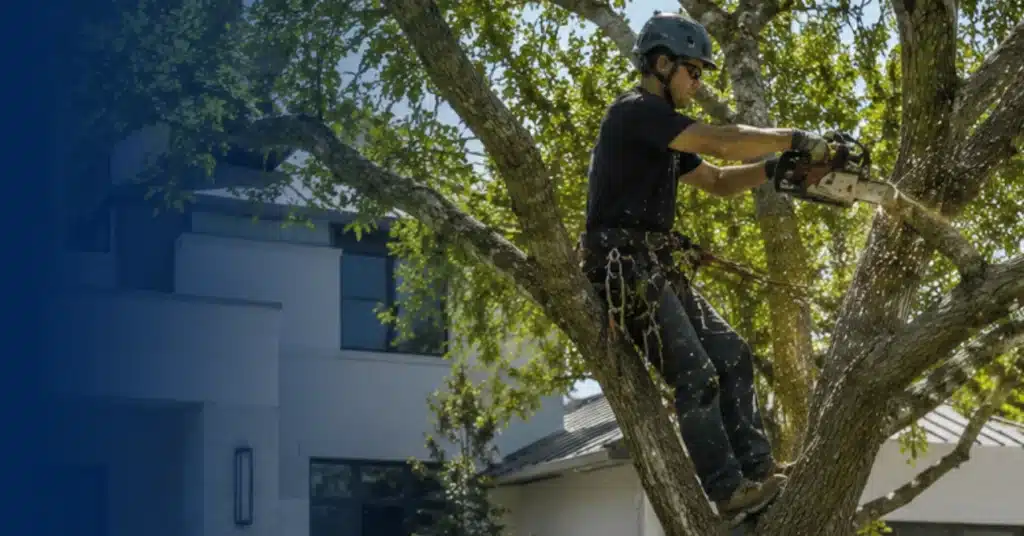

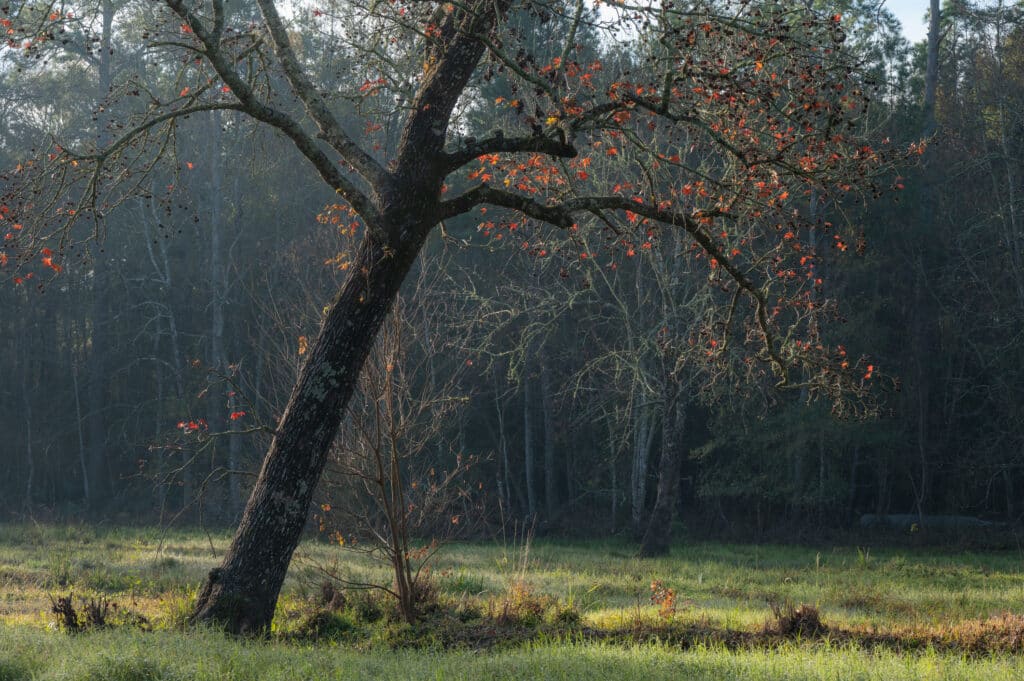
Key Takeaways About Dangerous Leaning Tree
A dangerous leaning tree means a tilt caused by structural failure rather than normal growth. This summary is for homeowners and property managers who need to spot risks before the tree threatens people or property.
- Identify new trunk cracks root exposure or fresh soil heave immediately.
- Prevent root decay by correcting poor drainage and avoiding grade changes.
- Avoid standing under or parking near a tree that shows active movement.
- Spot canopy imbalance dead limbs or included bark that raise collapse risk.
- Reduce wind loading with professional pruning and careful crown management.
- Plan prompt professional inspection and document changes with photos and notes.
Introduction
When a tree leans in your yard, it can be hard to tell if that lean is normal or a sign of trouble. Some leaning happens slowly and poses little risk, while other cases can lead to sudden branch or trunk failure. Homeowners often notice leaning after storms or during seasonal growth changes. Recognizing the difference matters because a dangerous leaning tree can threaten people, structures, and utilities.
Visible clues often point to structural failure rather than a harmless tilt. Cracks in the trunk, splitting bark, and exposed roots are common warning signs you should not ignore. You might also see large dead branches or a crown that looks lopsided compared with nearby trees. These visible problems increase the chance the tree could fail under wind, ice, or weight.
Context around the tree helps explain why it is leaning and how urgent the situation is. Soil erosion near foundations or heavy construction activity can weaken root support and cause progressive leaning. Changing drainage patterns or new grading toward the tree can also stress roots and encourage decline. Observing these surroundings gives clues about whether the lean is stable or worsening.
If symptoms point toward structural failure, prompt professional evaluation is important for safety. Experts will assess trunk integrity, root condition, and how the tree bears weight before recommending actions. For homeowners in Midlothian, VA and property managers in Goochland, VA, knowing when a leaning tree becomes dangerous helps you protect people and property. Acting on clear warning signs reduces the chance of surprise collapses and costly damage.
Recognizing Normal Versus Dangerous Leaning Tree
A dangerous leaning tree is one whose tilt signals structural failure rather than normal growth or temporary sway.
- Sudden recent tilt.
- Cracked or splitting trunk.
- Exposed or lifted roots.
- Large dead limbs in the crown.
Normal lean often develops slowly as trees seek light, and the trunk shows no major cracks or decay signs.
Homeowners often ask, “How fast is too fast for a lean to worsen?” A rapid change over weeks requires inspection. Look for new soil heave, root exposure, and fresh wood chips near the base. If you see these, document them with photos for professionals.
A professional diagnosis will include a visual trunk and root check, sounding for hollow areas, and measuring lean angle and crown weight. Technicians may use a mallet to sound for decay and a clinometer for lean angle. They will record findings in a written report and recommend removal, cabling, or monitoring. For guidance and scheduling, consult resources like the Route 288 Tree Service site for more homeowner information in Midlothian, VA and property concerns in Goochland, VA.
Root Problems Why It Happens And When To Act
Root failure often starts where the root plate meets the trunk and then progresses outward toward feeder roots. Small cracks or soft soil around the base can indicate decay or root death that reduces anchorage. Homeowners may notice raised soil or shallow channels where water runs and washes fine soil away from roots. If you see mushrooms or fungal conks at the base, that often signals internal decay attacking root and lower trunk wood.
Common causes include root rot from prolonged wet soil, mechanical damage from digging or construction, and root loss from compacted soil. Trees with girdling roots or roots confined by pavement lose stability over time and will lean more during storms. Inspect the base for severed roots, cut roots, or displaced root flares pushing soil aside. A professional will map visible roots and look for patterns of decay or recent root damage that explain the tilt.
A basic homeowner check uses a shovel, a flashlight, and a camera to document root exposure and soil movement around the trunk. Gently remove a small area of surface soil to reveal the root flare and note any soft or powdery wood that crumbles when probed. Take photos from multiple angles and over time to track increasing exposure or soil heave that suggests progressive failure. Those images help a technician decide if the tree needs immediate removal, root bracing, or monitoring.
Professionals confirm root problems with hands-on diagnostics like probing, sounding roots, and testing soil moisture near the root zone. They may use a soil probe, moisture meter, and visual report to assess whether roots can still provide support under load. For homeowners in Midlothian, VA and property managers in Goochland, VA, prompt documentation and contacting local services can prevent accidents. See the service area information for scheduling and response options at Route 288 Tree Service service areas.
Trunk And Canopy Issues That Indicate Failure
Look for cracks that run vertically or spiral around the trunk, which often indicate internal decay or splitting under load. Fresh, jagged wood exposed along a crack suggests active failure and a higher short-term collapse risk. A professional inspects these areas by probing with a screwdriver and sounding the trunk with a mallet to locate hollow pockets. Homeowners in Midlothian, VA should photograph new cracks and note any recent growth in their size for documentation.
Canopy imbalance where one side carries most of the live crown increases overturn risk during wind events and heavy ice. Excessive branch loss on the opposite side can create a lever effect that pulls the trunk further from vertical. Climbers or arborists evaluate crown weight distribution visually and may use a tape measure to compare canopy spread and height. In Goochland, VA properties, uneven crowns near structures require quicker assessment to protect buildings and people.
Look for bark separation where bark peels away from wood in a sheet; this often shows internal splitting between growth rings. Bark that is soft, discolored, or powdery near separated areas points to fungal decay weakening the core. Technicians often take photos, probe suspect areas, and record readings from a sounding test to confirm core loss. Those findings guide decisions about cabling, pruning, or removal based on measured structural integrity.
Large included bark at branch unions produces a V-shaped junction that traps dead material and prevents a strong wood-to-wood connection. Such unions commonly fail under weight because the tree never developed solid growth between limbs and the trunk. Inspectors assess included bark by parting the bark with gloved hands and noting movement or gaps at the junction. If visible movement exists, professionals may recommend reduction pruning or removal to eliminate the failure point.
Soil And Drainage Factors Causing Structural Instability
Poor soil structure and chronic waterlogging reduce root oxygen and weaken anchorage, making a dangerous leaning tree more likely. Compacted soil from heavy traffic or equipment limits fine root growth and reduces the root plate size needed to hold the tree. Repeated wet-dry cycles can wash away fine soil that binds roots, creating small voids near the flare. Homeowners should note soft, spongy ground and areas where standing water collects after rain.
- Persistent pooling near the trunk indicates poor drainage.
- Soil washout at the base exposes roots.
- High soil compaction limits root penetration.
- Slope toward structures increases erosion risk.
Changes in surface grading that direct run-off toward a tree often precede progressive leaning and structural instability. New patios, driveways, or regrading can concentrate water and erode supporting soil around roots. Inspectors look for new mulch or soil placed against the trunk, which can trap moisture and accelerate root decay. For Midlothian, VA homeowners, observing recent yard work near a tree helps explain sudden tilt and risk.
A professional diagnosis includes testing soil firmness, measuring moisture, and mapping the root zone to confirm failure patterns. Technicians use a soil probe, moisture meter, and visual root mapping to assess support loss and potential for overturn. They may record photos and written observations to document erosion extent and drainage changes around the base. For context on indoor air system impacts and related maintenance planning, see material like the Route 288 Tree Service blog for broader property care considerations in Goochland, VA.
Weather Damage Patterns And Decision Points For Repair
Wind, ice, and lightning create different damage patterns that help decide repair needs after a storm. Gust-driven lean often shows root plate rotation and fresh soil displacement near the trunk. Ice loading breaks smaller branches first and can increase crown weight, accelerating a dangerous leaning tree toward failure. Photographing branch breakage and soil movement helps document conditions before a professional visit.
Lightning strikes usually leave a vertical strip of shredded bark or split wood along the trunk’s length, indicating internal damage. That pattern often means the tree has lost core strength and requires an expert assessment for safety. A certified arborist or experienced technician would probe the struck area and sound the trunk to detect hollows. Their written report will guide whether repair, cabling, or removal is safest for nearby structures.
Minor crown damage after wind storms often responds to corrective pruning and weight reduction instead of removal, especially when roots remain intact. Professionals evaluate remaining live crown ratio and use a tape measure and clinometer to estimate new wind load on the trunk. If the live crown falls below a critical proportion, pruning alone may not restore stability for trees at risk near houses. Homeowners in Midlothian, VA should document recent storm impacts and consult an arborist when crown loss is significant.
Soil washout combined with storm surge or heavy rain can undermine the root plate and cause progressive leaning over weeks. Inspectors often use a soil probe and moisture meter to map saturated zones that reduce root anchorage after storms. In cases where erosion reveals decay or fungal fruiting bodies, immediate action usually follows to reduce hazard potential. Property managers in Goochland, VA should prioritize trees showing new root exposure after heavy weather events.
When Homeowners Should Call A Professional Service
If a lean appears to be progressing quickly or the tree sits near a driveway, play area, or building, call a professional promptly. Describe specific changes when you call, such as new soil heave, fresh cracks, or shifting root flare visible at the base. A technician will schedule an on-site inspection to assess immediate risk and recommend short-term measures like cordoning off the hazard. Document the condition with clear photos and note when the change began to help the inspector prioritize response.
Request that the inspector perform basic diagnostics during the visit, including sounding the trunk with a mallet and probing suspect areas for soft wood. They will also check root stability by examining exposure, lift, and any signs of decay around the root collar. Expect the inspector to measure lean angle and crown weight informally and to record findings in a short written summary for your records. That summary helps you compare future changes and supports decisions about removal or mitigation.
If the tree leans toward utility lines, structures, or frequently used outdoor spaces, professional evaluation becomes more urgent because failure consequences increase. Professionals will coordinate safety steps if removal or pruning could impact utilities, and they can advise on temporary protective actions. Homeowners in Midlothian, VA often find quick assessment useful when trees threaten roofs or gutters after storms. For broader property care planning that connects outdoor and indoor systems, consider resources like enhancing indoor air quality in greenhouses and sunrooms with HVAC systems to understand multi-system impacts.
Ask for a clear recommendation and timeline for any required work, and confirm whether monitoring is an option when immediate removal is unnecessary. For trees with ambiguous symptoms, technicians may propose scheduled inspections to track movement and degradation over weeks or months. If the inspector cites visible structural failure or active root plate rotation, schedule corrective work promptly to reduce hazard exposure. Property managers in Goochland, VA should keep a log of inspections and actions taken to document due diligence and safety steps.
Emergency Actions To Take For Dangerous Leaning Tree
If the tree shows clear immediate danger, keep people and pets away and mark the hazard area visibly. Call a professional to request an urgent assessment and describe recent movement, cracking sounds, or root lift. Do not attempt to climb or remove large limbs yourself because falling wood can injure you or damage property. In Midlothian, VA mention the urgent condition when scheduling to help the team prioritize response.
- Clear the area around the fall path.
- Move vehicles and outdoor furniture away.
- Keep children and pets indoors.
- Do not cut major branches yourself.
If the tree leans toward power lines, contact the utility company before any work begins and avoid the area. Take photos from a safe distance to document current conditions for professionals to review during the visit. A technician will likely use a clinometer and visual probes to confirm instability and advise immediate removal or securing. For property managers who need coordinated action, reference scheduling options at Route 288 Tree Service service areas when you call.
When waiting for help, avoid parking under the canopy and keep windows closed in nearby structures to reduce injury risk from falling debris. Note any new sounds, such as creaking or popping, and relay them to the responder when they arrive. If the tree blocks access to your home or a safety route, inform emergency services and your arborist immediately so they can plan safe removal. Property owners in Goochland, VA should log the time of observed changes to aid response and liability records.
Long Term Prevention And Maintenance Strategies
Create a routine inspection schedule to catch slow changes before they become urgent. Inspect the root flare, trunk base, and major limbs every six to twelve months. Record photos and brief notes so you can compare movement or decay over time. Regular inspections help spot trends that may indicate increasing risk.
Improve soil conditions around vulnerable trees to strengthen anchorage and reduce future leaning. Avoid piling mulch against the trunk and aerate compacted areas to encourage fine root growth. Adjust surface grading and routing of downspouts to keep water away from the root zone. These measures reduce root stress and support long-term stability.
Pruning and crown management reduce wind loading and balance asymmetric crowns without removing the tree entirely. Work with a professional to remove deadwood, shorten long limbs, and reduce sail area in a measured way. Use periodic corrective pruning every few years to maintain an appropriate live crown ratio. Proper pruning preserves tree health and lowers collapse risk near structures in Midlothian, VA.
For trees with partial structural issues, consider nonpermanent support like cabling or bracing as an interim step. A technician will inspect attachment points, select appropriate hardware, and monitor integrity over time with written reports. Support systems do not fix root failure but can extend service life while permanent plans develop. Discuss monitoring intervals and removal timelines with your arborist to manage liability and safety.
Keep detailed maintenance records including dates, observations, and any diagnostic results for each intervention performed. Photos, readings, and written notes help professionals decide when a tree becomes a dangerous leaning tree requiring removal. Schedule follow-up inspections after major storms or soil changes to confirm stability. Clear records also assist property managers in Goochland, VA when planning long-term risk reduction and budget needs.
Frequently Asked Questions
How do I tell if a leaning tree is just growing that way?
Look for a straight trunk base, healthy roots, and gradual lean that hasn’t increased over months; young trees often lean while reaching light. Check for cracks, exposed roots, trunk wounds, or fungal fruiting bodies that suggest structural failure. Watch for new tilt after storms, clicking sounds, or leaning toward structures—these signs can indicate a dangerous leaning tree and require caution. If you see those warning signs, avoid standing under the tree and contact a certified arborist for a professional inspection.
What visible signs make a dangerous leaning tree urgent?
Look for new, widening root plate cracks or soil heaving around the base, which often signal severe root failure. Large, fresh trunk cracks or splitting that expose inner wood indicate structural failure and increased collapse risk. Major canopy lean that developed quickly or leans toward a house, driveway, or utility line raises urgency; avoid standing beneath it. If you see these signs, exercise caution and contact a qualified arborist or tree professional to inspect and address the dangerous leaning tree.
When should I call a pro for root or trunk problems?
Call a professional when you see new root exposure, fresh soil heaving, or a trunk crack spreading toward the canopy. If the lean increases noticeably after storms or the tree leans toward structures, get an inspection promptly. A dangerous leaning tree that shows fungal conks, large cavities, or split bark needs urgent evaluation and likely removal. For safety, avoid working near an unstable trunk and contact a certified arborist or tree service.
Can storm damage turn a stable tree into a safety risk?
Yes. High winds, lightning, or heavy snow can crack roots or the trunk and turn a previously stable tree into a dangerous leaning tree. Visible root lift, fresh trunk fissures, or sudden increased lean indicate structural failure and higher risk. Exercise caution near the tree and contact a qualified arborist or tree service for a professional inspection and safe removal if needed.
What short-term steps protect people before removal?
Keep people and pets away by cordoning off the drop zone with tape or temporary fencing to create a clear safety perimeter. Move vehicles, play equipment, and outdoor furniture out of the lean direction to reduce potential damage if the tree fails. If the tree shows cracking, heavy trunk tilt, or root heave, exercise caution and call a professional immediately for assessment and removal. Do not attempt removal yourself; a certified arborist or tree service has the training and equipment to lower risk safely.