




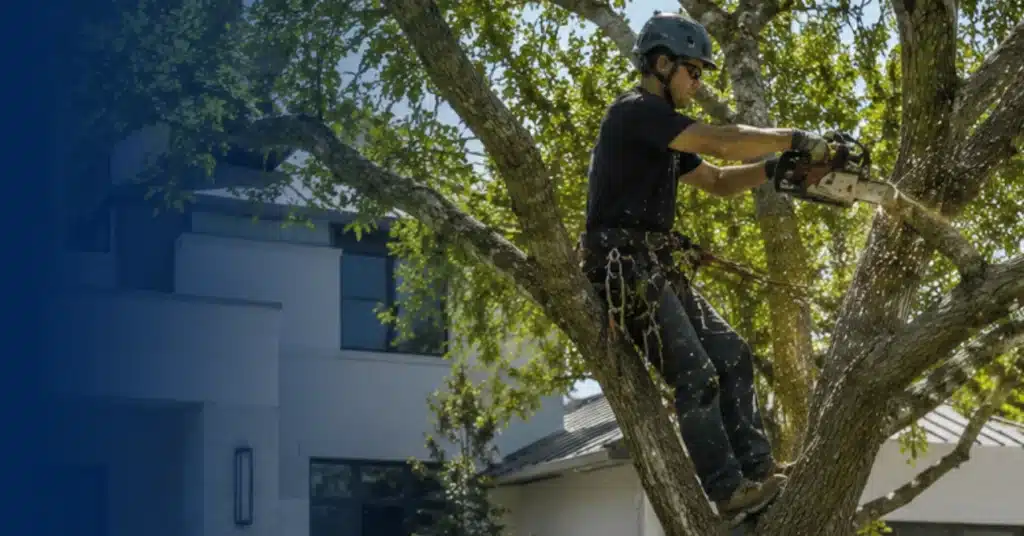
Tree Health Services is an advisory visit focused on diagnosing what’s really going on with your trees and giving practical, prioritized recommendations. An arborist or specialist will look for pests, diseases, root problems, soil issues, nutrient deficiencies, and structural concerns, then explain what’s safe to leave alone and what needs attention. This service is for property managers, business owners, and facilities teams who need clear, actionable advice before spending money on treatments or removals.
You might call for this service when leaves are thinning, bark is cracking, limbs are dying back, or trees are leaning near walkways or buildings. It matters because a timely evaluation can prevent small problems from becoming big hazards, protect investment in mature trees, and help you plan maintenance on your schedule. Expect straightforward findings and recommendations you can use to decide whether to treat, prune, monitor, or remove a tree.
What the Tree Health Visit Includes
When our arborist arrives for a Tree Health visit, the first step is a walk-and-look. They’ll circle the property with you or your facilities contact, noting tree locations, recent changes in soil grade, irrigation patterns, and areas with heavy foot or vehicle traffic. Expect us to point out visible signs like thinning canopies, bark splits, fungal fruiting bodies, or dead branches right away so you know what caught our eye. This quick tour sets the priorities for a deeper check without taking over your day.
Next comes the focused tree checks. The specialist inspects trunk condition, root flare visibility, major limbs and attachment points, and leaf or needle health. They’ll gently probe suspect areas and compare affected trees to nearby healthy specimens to separate environmental causes from disease or pest problems. If there are young trees, we’ll assess staking, mulching, and irrigation to see whether care practices are contributing to decline.
We also review the site context that matters to you. That means looking at nearby construction, drainage changes, salt exposure from winter treatments, and tree placement relative to buildings and utilities. The contractor will flag immediate safety concerns — like large cracked limbs over a walk — and explain which observations are watch-and-wait versus those needing prompt action. You’ll get plain-language notes on how the issue connects to site conditions.
At the end of the visit, the team summarizes findings and gives clear next steps you can act on. Expect prioritized recommendations: monitor, targeted treatment, corrective pruning, or further testing like soil analysis or core samples. We’ll leave you with practical reasoning for each recommendation so your facilities team can budget and schedule with confidence. If you want, we’ll also note what to watch for between visits so problems don’t catch you off guard.
Tree Problems We Look For on Commercial Properties
During a Tree Health visit we look for clear warning signs you can see at a glance. That includes dead or hanging limbs, thinning crowns, and sudden leaf drop on only one side of a tree. We also note bark changes — long cracks, deep splits, or areas where bark is peeling away — because those often point to internal decay or past injury.
Pest and disease clues get careful attention. Look for chewing damage, sticky residue, tiny exit holes, or fungal conks at the base of a trunk. Those symptoms suggest insects or rot that can weaken a tree over a single season, especially under stress from drought or compacted soil.
Root and soil issues show up in subtle ways we watch for. Trees with raised or exposed roots, poor root flare, or repeated leaning after storms often suffer from grade changes, poor drainage, or root damage from construction. We also check surrounding pavement, irrigation patterns, and salt exposure because those factors commonly cause decline before leaves show obvious problems.
Finally, we separate urgent hazards from things to monitor. A large cracked limb over a parking lot usually needs prompt action. Scattered foliar spotting across several species may simply mean seasonal disease pressure and watchful waiting. You’ll leave the visit knowing which signs demand immediate work and which deserve observation and follow-up testing.
How Findings Are Prioritized After the Inspection
After the inspection we sort recommendations by immediate safety first. If a cracked limb or failing attachment threatens a walkway, loading area, or building, that work moves to the top of the list. The crew will point out which trees need urgent corrective pruning or removal and which hazards can wait until normal business hours to reduce disruption.
Next we weigh tree health versus site use. A mature maple shading a patio might get treatment and targeted pruning to preserve canopy value. A poorly rooted volunteer tree in a service lane often recommends removal because it conflicts with operations and won’t respond reliably to treatment. We match the remedy to how the space is used day to day.
Then we consider timing and maintenance windows. Some treatments work best in specific seasons, and routine pruning fits into off-peak maintenance schedules. For facilities teams juggling contractors and budgets, we flag options like monitoring plus deferred pruning, seasonal injections, or immediate corrective work so you can phase expenditures without guessing trade-offs.
Finally, recommendations include clear decision points. You’ll see what to do now, what to monitor, and what triggers full intervention later. That makes it easy for a facilities manager to compare monitoring, pruning, treatment, or removal and pick the path that fits safety, tree value, and budget.
When a Tree Concern Needs Faster Attention
If you see a tree suddenly lean more after a storm, call for an advisory visit sooner rather than later. A recent lean can mean root failure or soil washout that gets worse fast, especially near sidewalks or delivery routes. Likewise, large longitudinal cracks in a trunk or a split limb hanging over a public entrance are signs we treat as higher priority because they can fail without much warning.
Hanging or partially detached limbs deserve quick attention even when the rest of the tree looks healthy. Crews often find those failures after pruning wounds or unseen decay have weakened attachment points. When a branch hangs above employee walkways, loading docks, or customer areas, we’ll explain why corrective pruning or removal is the safer choice now.
Rapid decline in only one side of a mature tree is another red flag. Sudden crown thinning, heavy dieback, or mushrooms at the base can indicate internal decay or aggressive pests that spread fast. For managers, that usually translates to either emergency removal planning or immediate targeted treatment, depending on the tree’s location and use of the space.
When risk sits close to buildings, utilities, or high-traffic zones, timing matters more than for isolated landscape specimens. We help you judge urgency by linking what we see to the actual areas people use. That way you can decide quickly whether to schedule an immediate corrective visit or put the tree on a strict monitoring plan.
Planning Tree Care Around Business Operations
When we advise on tree health for a commercial site, our focus is how work fits into your daily operations. That means noting which trees sit over customer entrances, parking aisles, delivery docks, and employee walkways. We point out fixes that let you keep areas open during work, and we flag tasks that should be done after hours or on low-traffic days to avoid service interruptions.
Recommendations always tie back to access and safety. For example, corrective pruning on a canopy that shades a storefront can be staged in sections so the sidewalk stays clear. Removing a hazardous limb over a loading zone might require temporary lane closures; we’ll describe the minimum access restrictions needed so you can plan staff and signage. You’ll get practical options that balance safety, appearance, and keeping your site usable.
We also help you plan future work around maintenance windows and budget cycles. If a tree can be stabilized with root care until the next capital cycle, we’ll explain what short-term measures help and what conditions trigger full removal. That way facilities teams can line up vendors, schedule closures, and communicate with tenants before any disruptive work begins.
Finally, our notes make decision-making easier for managers who juggle many sites. Expect a clear list of priority actions, the specific areas affected, and simple monitoring cues to watch for between visits. With that, you can schedule interventions on your timetable while keeping customers and staff safe.
Scheduling a Tree Health Assessment
When you call to schedule a Tree Health Assessment, have a few practical details ready so we can book the right visit. Tell us whether the property is a single site or part of a portfolio, and give a brief note on where the problem trees sit — parking islands, building perimeters, or medians, for example. Pointing out visible symptoms helps too: dead branches, mushrooms at the base, recent leaning, or canopy thinning are all useful to know up front.
Let us know about access limits and site rules before the visit. If portions of the property are locked after hours, or if work needs special escorting through loading docks, mention that so we can arrange the right crew and permits. If heavy equipment can’t get near the trees, tell us so we can plan for a walk-in inspection and note when specialty gear might be required.
If you’ve already tried fixes, share what you did and when. Notes about recent irrigation changes, pesticide applications, or nearby construction help us separate treatment failure from new causes. A quick photo of the tree and the area is often enough to prioritize the visit and get the right specialist scheduled.
Scheduling is low pressure and meant to fit your operations. We’ll ask these basics, confirm any access needs, and propose an advisory visit window that avoids peak hours if you prefer. When you’re ready, we’ll set a time that works for your facilities contact and come prepared to give clear, actionable recommendations.
Frequently Asked Questions
What should I expect during a Tree Health advisory visit on my commercial site?
The visit starts with a walk-through with your facilities contact to pinpoint tree locations and site factors like irrigation and traffic. The arborist inspects trunks, roots, and canopies, notes visible pests or disease signs, and reviews nearby construction or drainage issues. At the end you get a plain-language summary with prioritized next steps you can act on.
Which visible signs mean I should schedule a Tree Health assessment?
Call for an assessment when you see sudden leaning, large bark cracks, hanging limbs, clustered mushrooms at a trunk base, or fast thinning on one side of a tree. Also schedule a visit if you notice repeated decline near pavements, exposed roots, or new damage after nearby construction. These signs help the specialist decide if the issue is urgent or can be monitored.
How do you decide which findings need immediate action versus monitoring?
The team sorts issues by safety first, then by tree value and site use. A cracked limb over a loading dock usually moves to immediate corrective work, while scattered leaf spotting across many species may be monitored. Recommendations include clear triggers for when monitoring turns into treatment, pruning, or removal.
What signs mean a tree concern needs faster attention than a routine advisory visit?
Faster attention is advised for a recent increase in lean after a storm, large longitudinal trunk splits, or a partially detached limb above pedestrian routes. Rapid one-sided decline or visible root washout near sidewalks also raises urgency. In those cases the visit will focus on immediate containment or removal options.
What information should I have ready when scheduling a Tree Health assessment for a commercial property?
Be ready to describe the property type, the general location of affected trees (medians, parking islands, building edges), and the visible symptoms you see. Tell us about access limits, recent irrigation or pesticide changes, and any nearby construction so the crew brings appropriate equipment. A photo and a brief note on what you’ve already tried speeds up proper scheduling.
We’ll handle the rest.